Beyond “the President’s Son”: The Evolving Story of Seyi Tinubu As A Catalyst For Youth Leadership, Networking and National Engagement In Nigeria
By Sylvester Udemezue
There are moments in national life when a name must be discussed beyond inheritance, beyond surname, beyond access, and beyond the accidental privileges of birth. Seyi Tinubu is one of such names. Hence to reduce him merely to “the President’s son” is to miss the larger story now unfolding before Nigeria’s eyes.
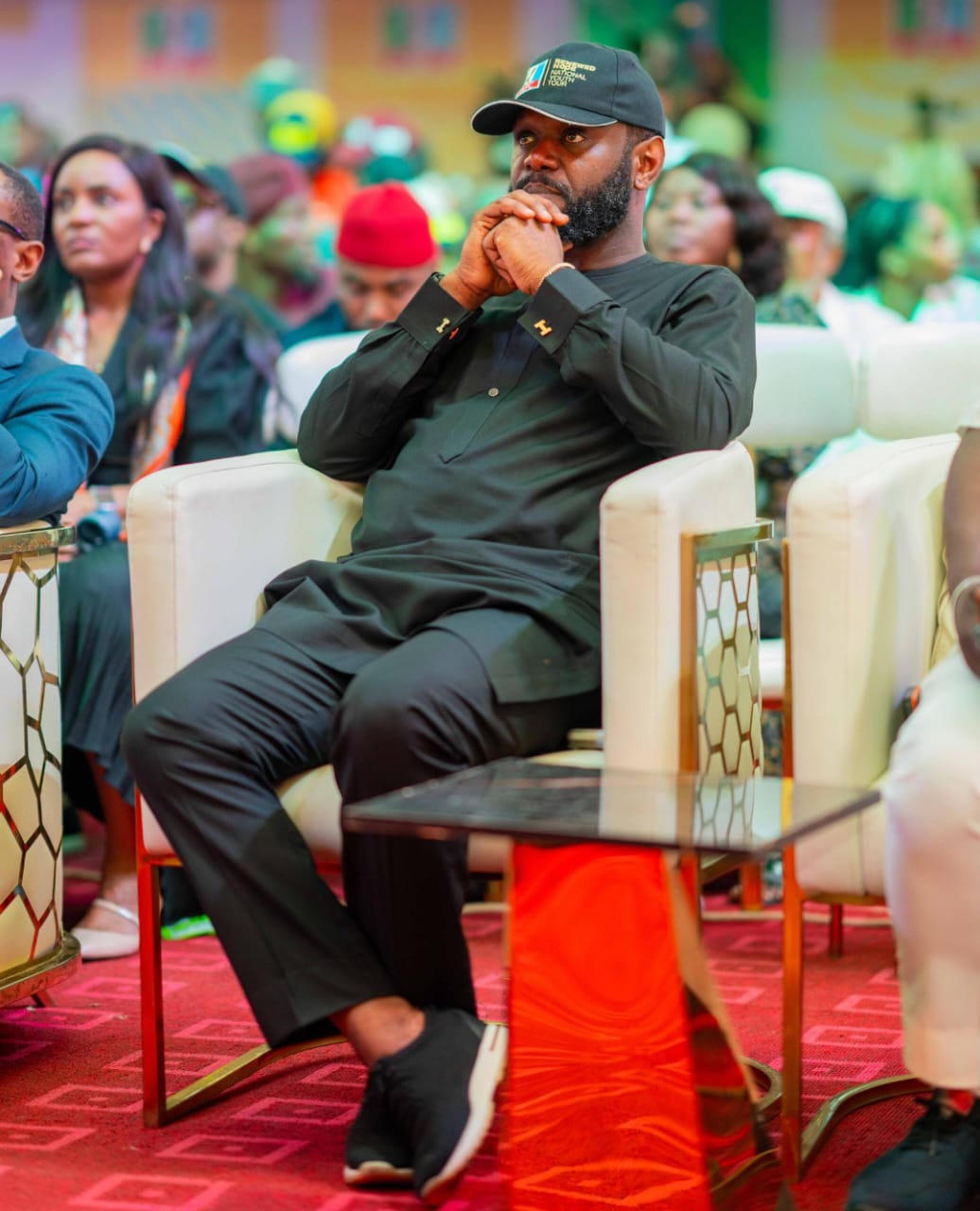
Yes, he is proudly a son of President Bola Ahmed Tinubu, GCFR. But beyond that undeniable fact, Seyi Tinubu has steadily carved for himself a public identity as a youth mobiliser, bridge-builder, philanthropist, entrepreneur, and advocate of practical youth participation in governance. Perhaps never before in Nigeria’s political history has the son of a sitting President taken such visible interest in connecting young people across regions, tribes, religions, classes, and political tendencies. Through platforms such as the City Boy Movement, he has helped create a space where Nigerian youths are not merely spectators in politics, but emerging participants in leadership, civic engagement, mobilisation, and national conversation.
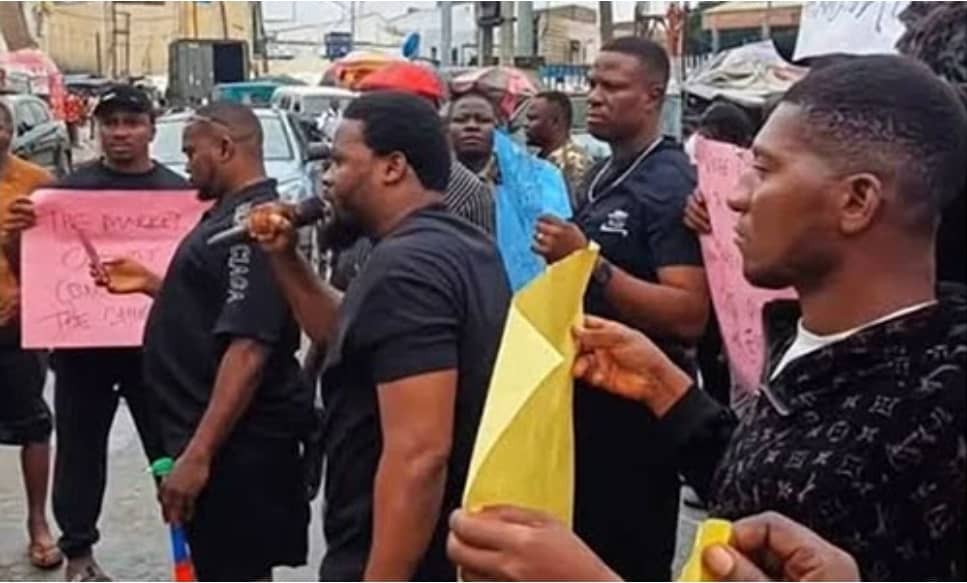
The City Boy Movement itself is a youth-driven platform promoting civic engagement, leadership, and awareness of government policies across Nigeria. Seyi Tinubu is the founder and Patron of the Movement whose main objectives include youth mobilisation, political awareness, and grassroots engagement. This is important because Nigeria’s future cannot be built by old energy alone. The United Nations recognises youth participation and empowerment as key drivers of sustainable development and peace, while UNDP emphasises that young people have the right to influence decisions affecting their lives.
Seyi Tinubu appears to understand this truth: that leadership is not inherited by age, but prepared through exposure, service, discipline, networking, sacrifice, and experience. Through his engagements, many young Nigerians are reconnecting with one another, taking greater interest in governance, and beginning to see politics not only as a contest for power, but as a platform for service. His work through the Noella Foundation also strengthens this public image. The Foundation was founded in 2018 by Seyi Tinubu and his wife, Layal Tinubu, to execute impactful initiatives addressing societal challenges in areas of education, healthcare, entrepreneurship, and empowerment initiatives.
What stands Seyi Tinubu out is not merely activity, but attitude, especially his initiatives and efforts on bridge-building, youth empowerment, empathy, service, and humility. Seyi Tinubu is a leader who uses influence to unite and empower young people. His philanthropy and youth-focused interventions are well-documented.
In a country often divided by ethnicity, religion, region, and class, the emergence of a young figure who moves across these boundaries with ease is significant. Seyi Tinubu’s approach is broad-minded, detribalised, and inclusive. He does not present himself as a prince waiting to inherit attention; he presents himself more as a humble participant willing to work, move, listen, help, connect, and mobilise. This is why the conversation must shift. Seyi Tinubu should not be discussed only as the President’s son. He should also be discussed also as a leader in his own right; a young Nigerian using access not for idleness, but for engagement; not for isolation, but for bridge-building; not merely for comfort, but for mobilisation.
The older generation will not remain on the stage forever. Nigeria must therefore prepare a competent, experienced, patriotic, and broad-minded younger generation to take responsibility. That preparation cannot happen in theory alone. It requires practical exposure. It requires platforms. It requires mentorship. It requires field experience. It requires young people learning leadership by doing. That is the deeper significance of Seyi Tinubu’s efforts. History will remember Seyi Tinubu not merely as the son of a President, but as one of the young Nigerian leaders who helped awaken a generation to the responsibility of leadership. In that sense, Seyi Tinubu represents more than privilege. He represents preparation, connection, mobilisation, humility, and a bridge to Nigeria’s emerging political future.
My humble opinion.
Respectfully,
Sylvester Udemezue,
lawmentorng@gmail.com.
(26 April 2026)