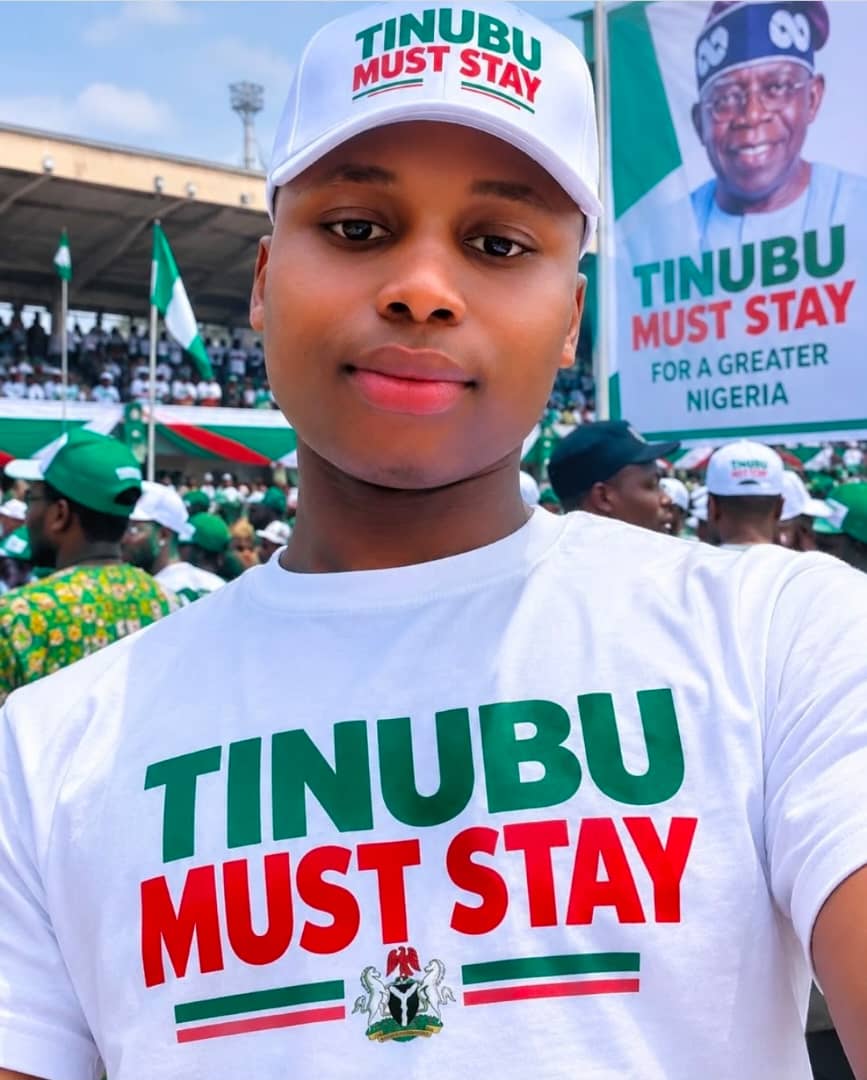
WHY TINUBU SHOULD STAY TILL 2031
By Joy C Nnanna
The debate about Nigeria’s future is ultimately about everyday life: affordable food, secure communities, productive work and opportunities for our children. For families facing difficult living costs, promises alone are insufficient. The question before Nigerians is therefore consequential: which leadership offers a credible path from economic adjustment to lasting prosperity?
My conviction is that President Bola Ahmed Tinubu should be re-elected—to consolidate reforms already underway, improve their implementation and bring their benefits into ordinary homes.
For too long, difficult economic decisions were postponed or reforms left unfinished. Tinubu confronted longstanding realities through fuel-subsidy removal and foreign-exchange reform. Postponing a problem does not eliminate its costs; it merely passes them to the future. These pragmatic reforms have nevertheless intensified hardship. Families and businesses have endured painful adjustments, and their difficulties deserve acknowledgement and practical relief. Supporting Tinubu does not require denying that suffering. It requires ensuring that reform delivers meaningful improvements.
Sound reforms need time to mature into broadly shared prosperity. Investment, increased production and productive employment require consistent policies, competent implementation and timely correction. Patience must accompany purposeful action and effective protection for vulnerable citizens. There is evidence worth building upon. The World Bank’s April 2026 assessment reported easing inflation, stronger public finances and external balances, and robust growth. It also acknowledged that household incomes had not fully recovered and poverty remained high. These findings establish both the gains to consolidate and the urgent work ahead. (See: “World Bank assessment” (https://www.worldbank.org/en/country/nigeria/publication/nigeria-development-update-ndu))
Nor should understandable frustration encourage unquestioning faith in political figures presenting themselves as messiahs. A promise of rescue is not proof of superior capacity. The wisdom in preferring a known record to an untested promise is caution: attractive assurances deserve the same scrutiny as actual performance. Tinubu offers an identifiable programme, experience implementing it and independently acknowledged gains. His re-election would provide an opportunity to concentrate that experience on stronger security, reliable electricity, better roads, improved education and healthcare, transparent public spending and productive employment. Continuity should mean preserving what works, correcting weaknesses and extending the benefits.
Tinubu should stay through a freely renewed democratic mandate—to consolidate reform, accelerate delivery and bring the gains home. Reform must become relief. Recovery must become opportunity. That is the case for his re-election.